
All-on-4 in China: 12 Questions to Ask Before You Travel
Full-arch implant treatment is complex. These questions help international patients compare a proposed pathway beyond price.
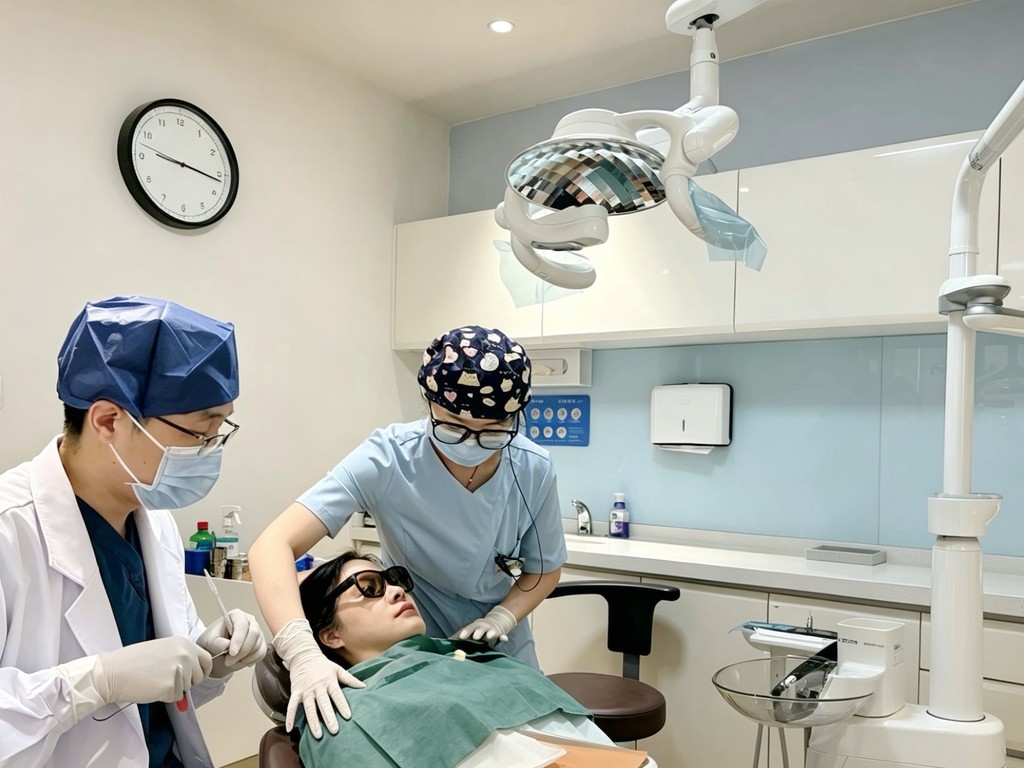
Full-arch implant treatment is complex. All-on-4 is a treatment concept, not a universal product or a promise of same-day fixed teeth for every patient. Before arranging travel, ask questions that reveal how the clinical and restorative plan fits your own bone, gums, bite, health history and long-term maintenance needs.
Questions about diagnosis
- What records are needed for a preliminary review?
- What could change after the in-person examination?
- Is bone grafting a possibility, and why?
- Why is All-on-4 or All-on-6 being considered for this case?
Remote information can help establish a likely direction, but it cannot replace a clinical examination. The pre-travel planning process shows how records review, appointments and on-site diagnostics fit together before a final plan is confirmed.
Questions about the provisional bridge
- Am I likely to qualify for immediate loading, and what could change that decision?
- What material is used for the provisional teeth?
- What eating restrictions and hygiene routine apply during healing?
A provisional bridge can look and function very differently from the final restoration. Ask how the team will check comfort, bite and healing during the period between surgery and definitive teeth, especially if you will return home before that final stage.
Questions about the final bridge and future records
- When is the definitive bridge fitted?
- Which material options are available, and why are they suitable for the plan?
- How will hygiene access and bite be checked?
- Which implant and component records will I receive for future care?
Good records reduce uncertainty before travel. Use the dental records checklist for an implant review to organise imaging, photos, medical information and practical travel constraints before asking for a preliminary opinion.
Questions about returning home
- How are follow-up questions coordinated after I leave China?
- Who should I contact if the provisional restoration needs attention while I am abroad?
- What maintenance plan should my local dentist understand?
How to compare two full-arch proposals
Put the proposed stages next to each other rather than comparing only the number of implants or a headline price. Look at diagnostics, the likely need for extractions or grafting, the immediate-loading criteria, the provisional material, final bridge material, number of trips, records supplied and maintenance expectations. Ask each provider to explain what could make the proposal change after examination. A shorter plan is not automatically a safer or more suitable plan if it leaves little time for healing, bite adjustment or contingency.
Allow enough time for decisions
For a complex rehabilitation, it helps to decide in advance how much uncertainty you can accept before booking flights. Some patients need more records, a video consultation or a second opinion before they feel ready to travel. Others can proceed after a preliminary review, provided the clinic explains which decisions remain open until examination. The goal is informed consent and a workable timeline, not pressure to commit before the clinical information is sufficient.
Plan for daily life during healing
Ask about food choices, cleaning instructions, pain-control guidance, activity limits and the timing of review appointments before you travel. These practical details can affect how long you should remain near the treating clinic and what support you may need after returning home. They also make it easier to judge whether a proposed schedule is realistic for your work, family and travel commitments.
These questions do not determine which treatment is right for you; they help make a proposed plan easier to compare. For the clinical stages, travel considerations and records that belong in the discussion, read the All-on-4 and All-on-6 treatment pathway.
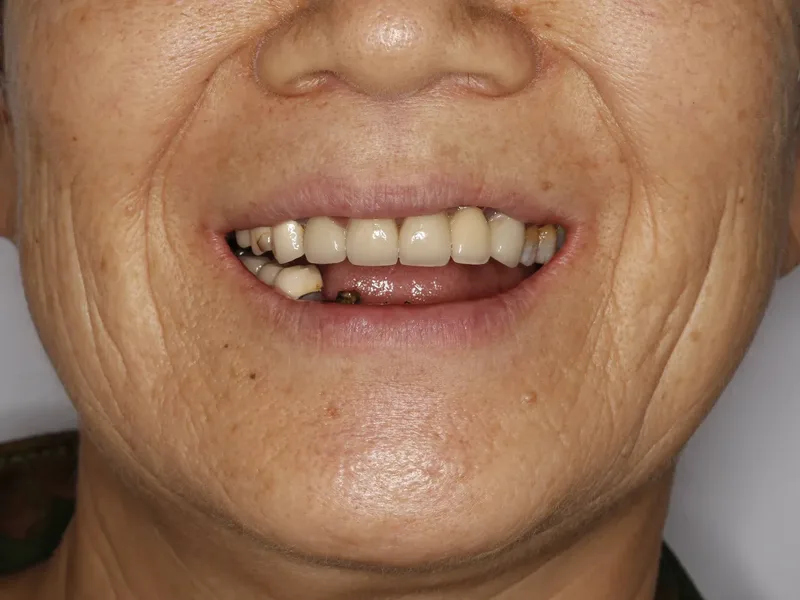
This guide is general information, not a diagnosis or personal treatment recommendation. Seek advice from a licensed dental professional who can examine you.
Related patient guides
Immediate Loading After All-on-4: What May Affect Eligibility?
Immediate loading can be appropriate for selected cases, but it is a clinical decision rather than a travel package guarantee.
Read the guide →
Full-Arch Implants in China: A Coordinated All-on-4 / All-on-6 Service
See how a full-arch implant service in China moves from records and Beijing diagnostics to fixed-bridge planning, temporary stages and follow-up.
Read the guide →
Full-Mouth Reconstruction in China: A Coordinated Care Service
See how a full-mouth reconstruction service in China brings complex records, Beijing diagnostics, phased restorative planning and follow-up into one clearer pathway.
Read the guide →
Implant-Supported Bridge in China: A Coordinated Service for Several Missing Teeth
See how an implant-supported bridge service in China can move from records and a Beijing assessment to restorative planning, staged care and follow-up.
Read the guide →