
Immediate Loading After All-on-4: What May Affect Eligibility?
Immediate loading can be appropriate for selected cases, but it is a clinical decision rather than a travel package guarantee.
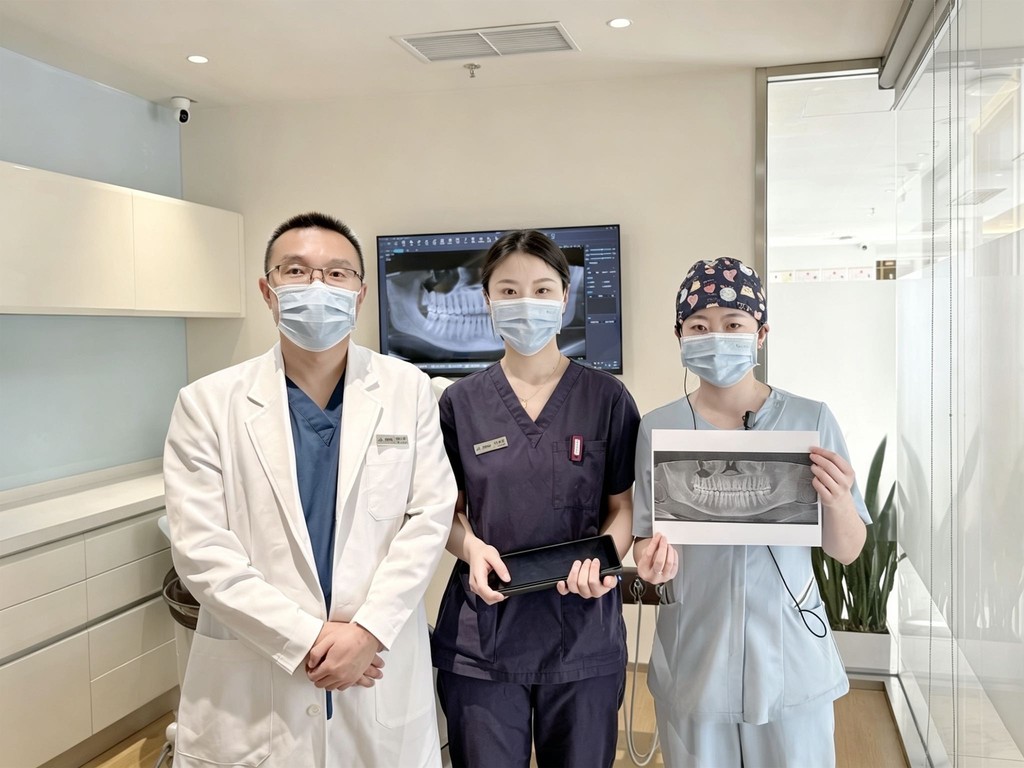
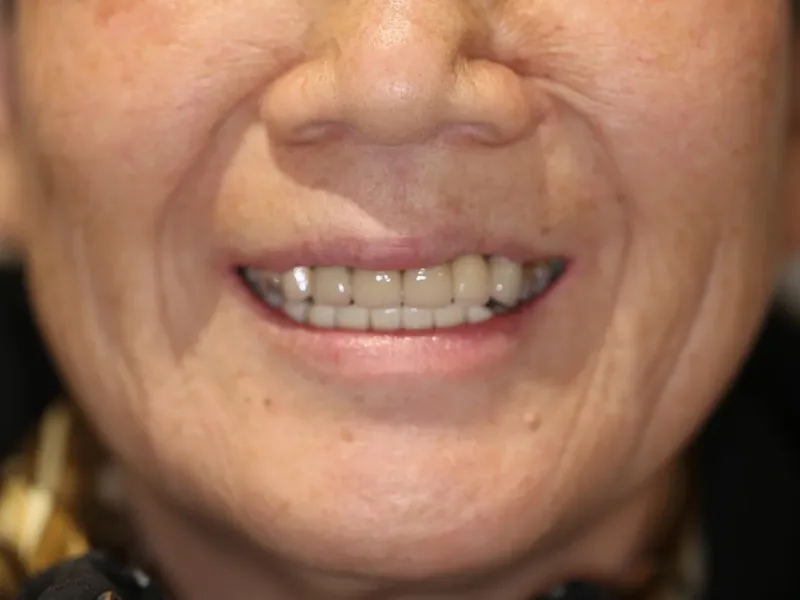
Immediate loading describes a situation in which a fixed provisional restoration may be fitted soon after implant surgery. It can be appropriate for selected full-arch cases, but it is not guaranteed by the treatment name, travel dates or a marketing package. The clinical team must decide whether it is suitable after reviewing the individual situation.
Why eligibility varies
Bone distribution, implant stability at placement, bite forces, gum and bone condition, general health, smoking or vaping, infection risk and the design of the temporary restoration can all affect the decision. The number of implants does not by itself determine whether immediate loading is advisable. A provisional plan may need to change when the clinician sees the current clinical findings.
A provisional bridge is not the final bridge
Even when immediate loading is used, the early restoration is normally part of a staged pathway. It may have different material, shape, eating restrictions and hygiene requirements from the definitive bridge. Ask how the bite will be checked, what foods to avoid during healing and how the team will assess comfort before final restorative work.
Travel timing still matters
Immediate loading does not automatically mean the whole rehabilitation is finished in one trip. You may need time near the clinic for checks, and a later visit may be recommended for the final bridge. Build travel flexibility around the treating clinician’s instructions rather than booking the shortest possible stay first.
Questions to ask before travel
Ask what records are needed, what could rule out immediate loading, what material is planned for provisional teeth, which records will be supplied and how follow-up questions are handled. These questions do not replace a diagnosis; they help you compare whether a proposed full-arch plan is clearly explained.
Put the information in context
A useful pre-travel discussion connects this topic to the whole sequence of care, rather than treating one answer as a promise. Your current oral health, imaging, medical history, bite, time available and the findings of an in-person examination can all affect the final plan. For a related planning question, read 12 questions to ask before All-on-4 travel. It explains how early information can be used without presenting it as a final diagnosis.
Prepare for a case review
Keep recent imaging, clear photographs, relevant dental history and your travel constraints together. That makes it easier to discuss the likely stages and the questions that still need an on-site answer. The All-on-4 and All-on-6 treatment pathway gives the treatment-specific context; when you are ready, request a pre-travel case review to start with the information you already have.
Questions worth writing down
Before a call or appointment, write down the point you most need clarified, the records you have, the time you can spend in Beijing and any constraint that could affect the plan. Ask for plain-language explanations of the likely stages, what is included in the discussion and what cannot be known until examination. Written notes help you compare information later and make it less likely that a practical travel question is mistaken for a clinical answer.
Use written information carefully
A treatment summary, estimate or coordinator message can help you prepare, but it should be read alongside the clinic’s in-person explanation and consent process. Keep the date of each record and ask when a previous scan, quote or plan should be updated. Care plans can change because health and clinical findings change; transparent documentation gives you a clearer basis for deciding whether to travel, proceed, wait or ask another question.
What must still be confirmed in person
This guide is general education for planning a dental journey. A licensed treating clinician must confirm diagnosis, alternatives, risks, materials, fees, timing and suitability after examination. Build enough flexibility into your travel schedule for updated diagnostics, questions and a plan that may change when the clinical picture becomes clearer. Keep your own decision-making pace throughout the process.
This guide is general information, not a diagnosis or personal treatment recommendation. Seek advice from a licensed dental professional who can examine you.
Related patient guides
All-on-4 in China: 12 Questions to Ask Before You Travel
Full-arch implant treatment is complex. These questions help international patients compare a proposed pathway beyond price.
Read the guide →
Full-Arch Implants in China: A Coordinated All-on-4 / All-on-6 Service
See how a full-arch implant service in China moves from records and Beijing diagnostics to fixed-bridge planning, temporary stages and follow-up.
Read the guide →
Implant-Supported Bridge in China: A Coordinated Service for Several Missing Teeth
See how an implant-supported bridge service in China can move from records and a Beijing assessment to restorative planning, staged care and follow-up.
Read the guide →
Dental Implant Timeline in China: Why Some Cases Need Two Visits
The travel schedule for implants depends on biology, clinical stages and the final restoration—not only on flight dates.
Read the guide →