
Dental Implants in China: Cost, Timeline and Planning for International Patients
For international patients, the real question is not simply whether implants cost less in China. It is whether the clinical plan, travel schedule, materials and follow-up are clear before booking a flight.
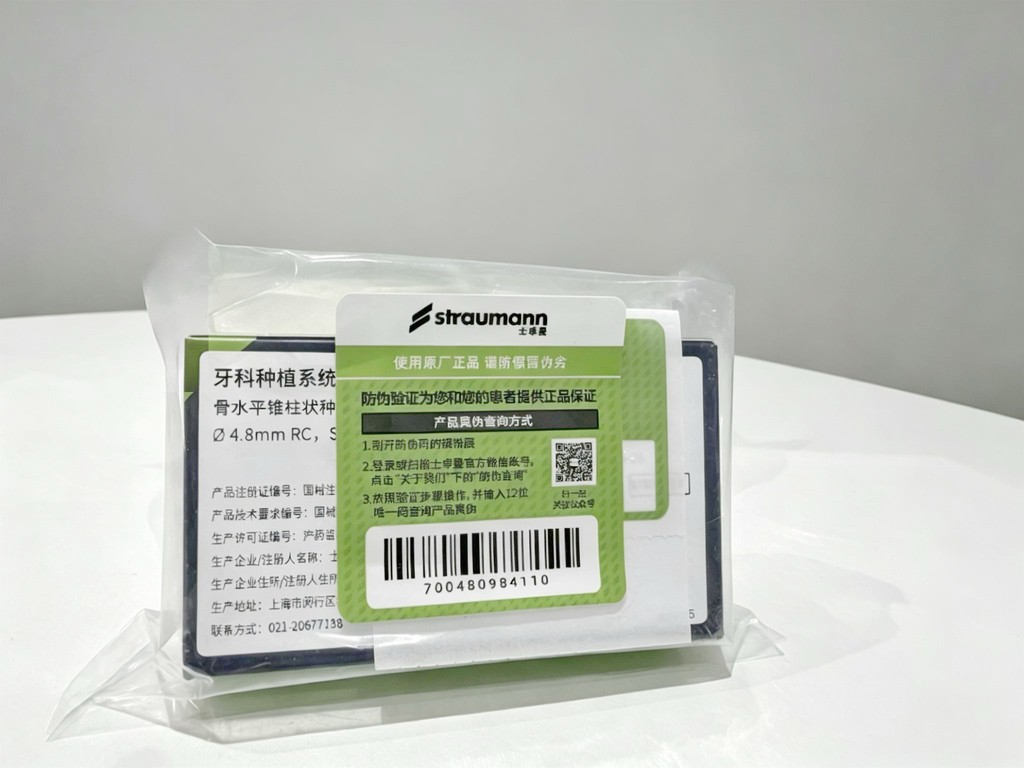
For international patients, the real question is not simply whether implants cost less in China. It is whether the clinical plan, travel schedule, materials and follow-up are clear before booking a flight. China—especially Beijing—can offer access to experienced implant teams, recognised systems and lower structural costs than many private Western markets. A safe decision still starts with records and a staged plan.
What changes the price?
The number of implants, extractions, bone grafting, temporary teeth, implant system, final restoration and number of visits all affect the total. A single headline price rarely describes the whole case. The same treatment name can involve very different clinical and laboratory work, so a useful estimate identifies what is included, what may change after examination and whether it covers provisional as well as final teeth.
Compare the complete treatment plan, not a starting price
A preliminary figure is most useful when it is connected to a written sequence of care. Ask whether diagnostics, surgery, healing reviews, the final restoration and component documentation are included. If you are comparing countries, our guide to why patients consider Beijing explains the local factors that can affect access, systems and cost structure without treating price as a guarantee.
Why treatment may require two trips
Implants often need time to integrate with bone before the final crown or bridge is fitted. Immediate loading can be appropriate in selected cases, but it should not be presented as a guaranteed package. A first visit may cover diagnostics, extraction or implant surgery and a provisional solution; a later visit may be needed for the definitive restoration, bite checks and records. Your own healing, bite, gums and treatment complexity determine the final schedule.
Why a plan can change after assessment
Remote records are useful, but they may be incomplete, older than the current condition or unable to show a clinical finding that matters. On-site examination can change the sequence, material recommendation, number of visits or whether preparatory treatment is advisable. That is not necessarily a sign that the preliminary review was wrong; it is the difference between planning from available information and making a final clinical decision. A trustworthy discussion makes this uncertainty clear before travel rather than hiding it behind a fixed package.
Budget for the whole journey
When comparing options, separate clinical fees from flights, accommodation, local transport, time away from work, meals and any extra days that would make the schedule safer. It is also sensible to ask what happens if healing takes longer than expected or a final restoration must be delayed. Lower structural costs can be meaningful, but the best value is a plan you can complete and maintain, not the lowest number in an advertisement.
Records to prepare before requesting an estimate
- A recent panoramic X-ray or CBCT, if available
- Clear photos of your teeth and smile
- Relevant medical history and medicines
- Previous implant or restoration records
- Your preferred travel window and number of visits you can make
These records do not replace an examination, but they make a preliminary discussion more useful. Our detailed dental-records guide explains what to send and why each item matters.
What to confirm in writing
Ask for the likely stages, treating clinician and clinic, implant system, provisional plan, estimated range, documents you will receive and follow-up arrangements. Final diagnosis, risks, alternatives, fees and timing must be confirmed by the licensed treating clinic after an in-person examination. When you have your goals and available records ready, you can request a pre-travel case review to clarify the likely next step before arranging travel.

This guide is general information, not a diagnosis or personal treatment recommendation. Seek advice from a licensed dental professional who can examine you.
Related patient guides

How to Compare a Dental Implant Quote in China
A useful dental implant quote explains the treatment sequence, materials, visits and uncertainty—not just a starting number.
Read the guide →
Dental Implant System Records: What Should You Receive?
Good implant documentation can make future maintenance and communication easier after you return home.
Read the guide →
Porcelain Veneers in China: A Clinician-Led Smile Design Service
See how a porcelain veneer service in China moves from smile goals and records to clinical assessment, design review, ceramics and follow-up.
Read the guide →
Single Dental Implant in China: A Coordinated Service for One Missing Tooth
See how a single dental implant service in China moves from records and Beijing assessment to implant planning, crown timing and follow-up.
Read the guide →