
Dental Implant System Records: What Should You Receive?
Good implant documentation can make future maintenance and communication easier after you return home.

Implant treatment can involve components that matter long after you have returned home. Keeping clinic-issued records does not guarantee that every future dentist can service every system, but it gives the next clinician better information and reduces avoidable uncertainty. Ask about documentation before treatment rather than trying to reconstruct it years later.
What records may be useful
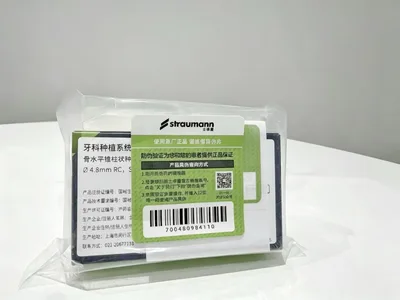
Depending on the case, this can include the implant system and model, implant location, component information, restoration details, radiographs or scans, care instructions and the clinic’s own warranty terms. The exact documents differ by clinic and treatment. Ask which records will be supplied and in what format before you travel.
Why component details matter
An implant crown, bridge, screw or abutment may need a compatible component if maintenance or repair is required. A local clinician can decide what is clinically appropriate, but the implant system details and clinic records can help them understand what was originally placed. Do not assume a brand name alone identifies every component.
Store records securely
Keep digital copies with the clinic contact details, treatment dates and any aftercare instructions. If you have a prior implant, include its documents in the pre-travel record set as well. Records are planning tools, not a replacement for examination when a problem occurs.
Ask about maintenance before you leave
Ask who should perform routine checks, what hygiene measures are recommended and which symptoms should prompt local assessment. If you are returning home during a healing phase, clear instructions and a realistic follow-up route are more useful than a vague assurance that everything is covered.
Put the information in context
A useful pre-travel discussion connects this topic to the whole sequence of care, rather than treating one answer as a promise. Your current oral health, imaging, medical history, bite, time available and the findings of an in-person examination can all affect the final plan. For a related planning question, read pre-travel dental records checklist. It explains how early information can be used without presenting it as a final diagnosis.
Prepare for a case review
Keep recent imaging, clear photographs, relevant dental history and your travel constraints together. That makes it easier to discuss the likely stages and the questions that still need an on-site answer. The single dental implant treatment pathway gives the treatment-specific context; when you are ready, request a pre-travel case review to start with the information you already have.
Questions worth writing down
Before a call or appointment, write down the point you most need clarified, the records you have, the time you can spend in Beijing and any constraint that could affect the plan. Ask for plain-language explanations of the likely stages, what is included in the discussion and what cannot be known until examination. Written notes help you compare information later and make it less likely that a practical travel question is mistaken for a clinical answer.
Use written information carefully
A treatment summary, estimate or coordinator message can help you prepare, but it should be read alongside the clinic’s in-person explanation and consent process. Keep the date of each record and ask when a previous scan, quote or plan should be updated. Care plans can change because health and clinical findings change; transparent documentation gives you a clearer basis for deciding whether to travel, proceed, wait or ask another question.
What must still be confirmed in person
This guide is general education for planning a dental journey. A licensed treating clinician must confirm diagnosis, alternatives, risks, materials, fees, timing and suitability after examination. Build enough flexibility into your travel schedule for updated diagnostics, questions and a plan that may change when the clinical picture becomes clearer. Keep your own decision-making pace throughout the process.
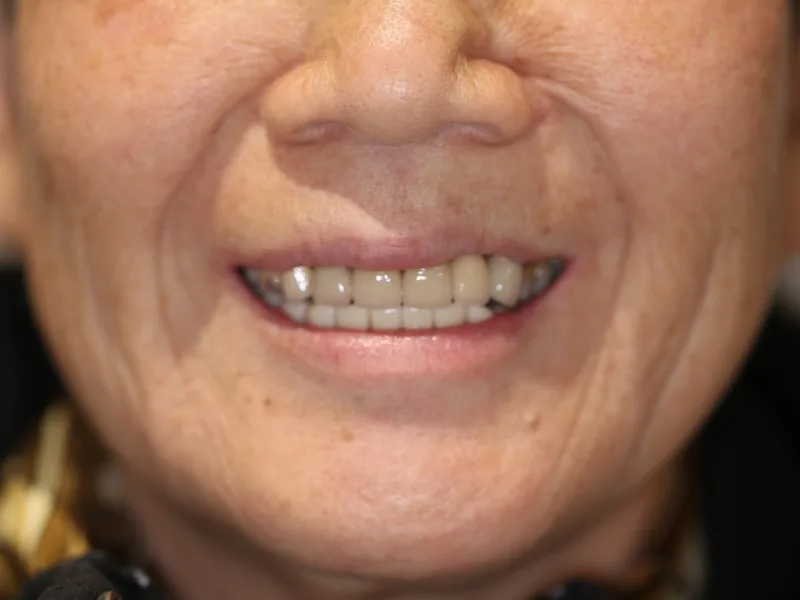
This guide is general information, not a diagnosis or personal treatment recommendation. Seek advice from a licensed dental professional who can examine you.
Related patient guides
Dental Implants in China: Cost, Timeline and Planning for International Patients
For international patients, the real question is not simply whether implants cost less in China. It is whether the clinical plan, travel schedule, materials and follow-up are clear before booking a flight.
Read the guide →
Loose Dentures in China: Implant-Supported Denture Planning and Coordination
Explore a clinician-led implant-supported denture planning service in China, from records and Beijing assessment to removable design, maintenance and follow-up.
Read the guide →
Front Tooth Implants in China: Temporary-Tooth and Smile Planning
Explore clinician-led planning in China for a missing or failing front tooth, including records, temporary-tooth options, gum and bite assessment, and final crown coordination.
Read the guide →
Replacing a Failing Tooth with an Implant in China: A Coordinated Planning Service
Learn how extraction-to-implant planning in China can move from records and a Beijing assessment to clinician-led options, restorative design and follow-up.
Read the guide →