
How Many Porcelain Veneers? Planning the Visible Smile Zone in China
Four, six, eight or another number? Learn why the visible smile, tooth condition, symmetry, existing restorations and long-term care matter more than choosing a veneer package.
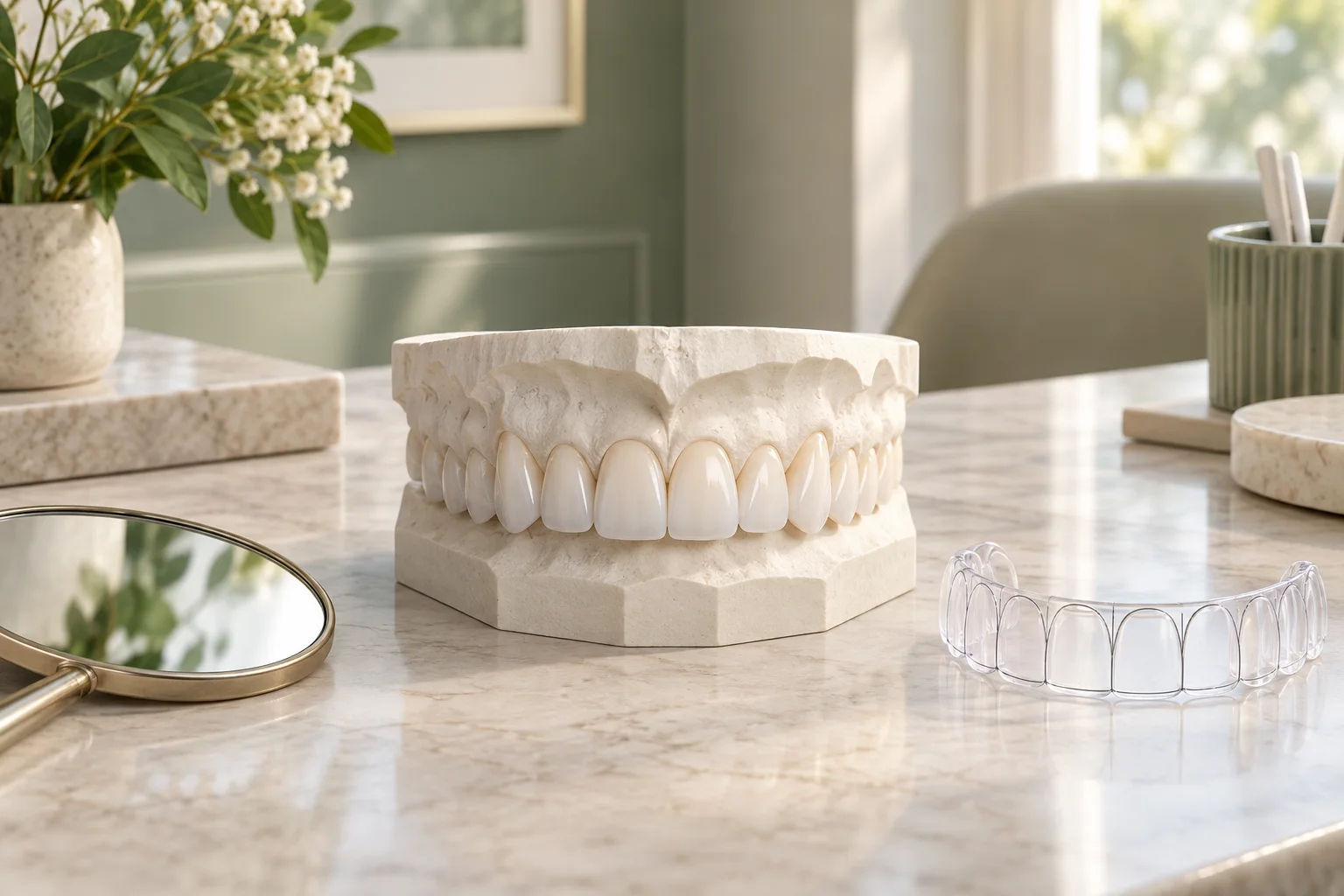
Images in this guide are AI-generated service illustrations, not photographs of our clinicians, patients or treatment results.
“Should I get four, six, eight or ten veneers?” is a common question from people planning cosmetic dental care abroad. It sounds like a simple purchasing decision, but the number should not be selected from a menu before a dentist has examined the teeth. The useful question is wider: which teeth show when you smile and speak, which teeth actually need treatment, and how can the plan remain healthy and visually coherent?
China Dental Implants helps international patients organise porcelain veneer enquiries through Pinnacle Medical China and licensed partner clinics in Beijing. Our porcelain veneer service in China begins with records, goals and a clinician-led assessment. This guide explains how to prepare for the discussion about treatment extent without turning a preliminary enquiry into a fixed promise.
There is no standard number that suits every smile
The teeth visible in a relaxed smile can differ from those visible in a broad smile, conversation or laughter. Lip movement, tooth width, the curve of the dental arch and the amount of tooth and gum displayed all change the visible area. A photograph taken straight on is helpful, but it does not capture every angle or movement that the dentist may assess.
Numbers such as four, six or eight often describe groups of upper front teeth, not universal clinical rules. Treating too narrow a zone may leave a noticeable transition between restored and natural teeth in some smiles. Treating more teeth simply to avoid that transition also has consequences, because porcelain veneers usually require irreversible alteration of enamel and may need future repair or replacement. The aim is not the largest or smallest number; it is an explained, tooth-by-tooth plan.
Start by identifying the concern for each tooth
Make a short list of what you want to change: a chipped edge, uneven length, a gap, persistent discolouration, an old restoration or a wider concern about smile proportions. Then ask which tooth is responsible for each concern. This separates a specific problem from a general request for “a full veneer smile.”
The dentist may find that some teeth are healthy and visually acceptable, while others need a different type of care. Decay and gum disease should be addressed before veneers. A heavily restored or structurally weakened tooth may need another restorative discussion. Tooth position, grinding or a deep bite can also affect whether veneers are appropriate. Treatment may include monitoring, whitening, bonding, orthodontic movement, a crown or another option rather than placing veneers on every visible tooth.
Ask where the restored-to-natural transition will sit
If only selected teeth are restored, the colour, shape and surface texture need to relate to the neighbouring natural teeth. Ask the dentist to show which teeth are proposed and where the transition will appear during a broad smile. Existing crowns, fillings or previous veneers should be included in this map because they may respond differently to whitening and may not match a new ceramic plan automatically.
Our guide to porcelain veneer shade matching explains why natural teeth, existing restorations and whitening plans should be discussed together. For the number-of-veneers decision, the important point is that colour cannot be planned independently from treatment boundaries. A natural transition may sometimes be achievable with fewer veneers; another smile may require a different discussion. Only the treating team can assess that in context.
Use a trial design to compare scope, not to promise a result
Clinical photographs, scans, diagnostic models, digital designs, wax-ups or mock-ups can make the discussion more concrete. When appropriate, ask whether the team can show how different treatment boundaries might affect symmetry, tooth proportions and the visible smile zone. A useful comparison should preserve features you like as well as address the concerns you brought to the consultation.
A preview is a communication aid, not a guarantee that every proposed shape can or should be reproduced. The dentist still needs to consider enamel, gum position, bite, preparation requirements and material thickness. Our article on trial smiles, materials and timing explains what a preview may help you review before final ceramics are made.
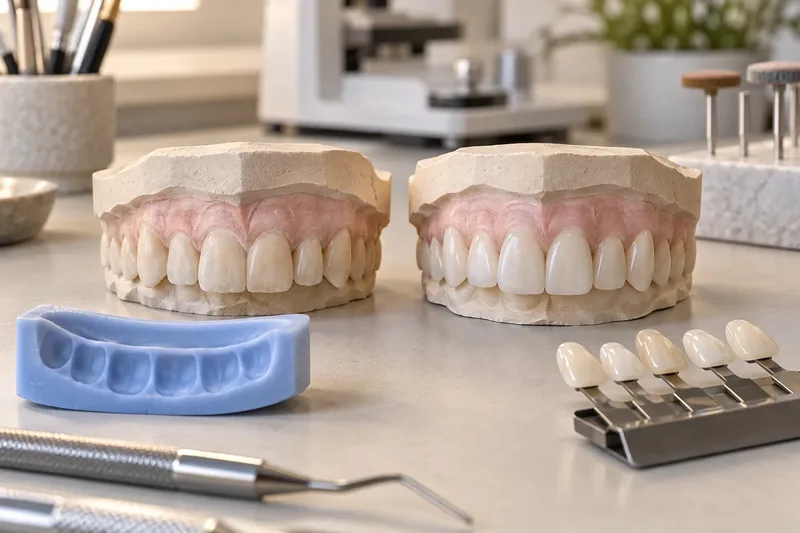
AI-generated illustration of diagnostic models used to discuss treatment extent; it does not depict a patient or promised outcome.
Compare plans tooth by tooth, not package by package
If the dentist discusses more than one option, ask for each option to identify the teeth involved and the reason. A smaller plan may preserve more untouched teeth but create a more demanding colour or shape transition. A wider plan may make the visual design more consistent across the smile zone but commits more teeth to irreversible treatment and future maintenance. Those are clinical and personal trade-offs, not proof that one number is always better.
Request an itemised quotation that follows the tooth map. It should distinguish consultation and records, temporary or trial stages when proposed, laboratory work, final veneers, review appointments and possible additional treatment. Ask what would change the quotation after examination. Do not rely only on a price multiplied by a number of teeth, because preliminary photographs cannot establish the final treatment.
Build enough review time into the China visit
Porcelain veneer care may involve assessment, preparation, impressions or scanning, provisional review, laboratory fabrication, try-in and bonding. The sequence and number of visits depend on the clinical plan. If the treatment zone changes after examination or a trial design, the laboratory and travel schedule may also change.
Before booking flights, ask which appointment confirms suitability and treatment extent, when the final tooth map is agreed, and how much time is available to review shape and shade. Avoid arranging the final bonding immediately before departure if the clinic recommends a review period. Coordination can help organise appointments, but it cannot guarantee that a preselected number of veneers will be completed within fixed travel dates.
Think about maintenance before adding another tooth
Veneers can chip, loosen, wear or require replacement over time, and natural tooth structure can still develop decay around them. Daily brushing with fluoride toothpaste, cleaning between teeth and regular professional care remain important. Ask how your proposed treatment boundaries will be monitored and what records the clinic will provide for future dentists.
A wider treatment plan means more restored teeth to maintain. That does not make it automatically wrong, but it should be part of informed consent. Discuss grinding protection if relevant, habits that may damage veneers, and who to contact if the bite feels wrong after placement. Our follow-up guide after dental treatment in China can help you prepare the handover before travelling home.
What to send for an initial planning conversation
For a useful first discussion, provide recent unfiltered smile photographs from the front and both sides, a broad-smile image, a close view of the teeth if comfortable, and any recent dental records. Describe what you want to change and what you want to preserve. Mention existing crowns, veneers, bonding, fillings, grinding, sensitivity or known gum concerns.
You can request a veneer smile-zone planning conversation with your preferred travel window. We can help organise the enquiry and clinic discussion. The licensed treating dentist decides whether veneers are appropriate, which teeth should be considered, what alternatives exist and how the final plan should be staged.
Patient information sources
Clinical background was checked against the American Dental Association's patient information on veneers, Cleveland Clinic's overview of dental veneers, and NHS guidance on choosing a cosmetic dental professional. This editorial guide provides general information and has not received an individual clinician's review. Your own assessment and treatment plan may differ.
This guide is general information, not a diagnosis or personal treatment recommendation. Seek advice from a licensed dental professional who can examine you.
Related patient guides
Porcelain Veneer Shade Matching in China: Plan Your Smile Colour
A practical guide to coordinating veneer shade discussions in China, including existing crowns, whitening questions, reference photographs and the review before bonding.
Read the guide →
Porcelain Veneers in China: A Clinician-Led Smile Design Service
See how a porcelain veneer service in China moves from smile goals and records to clinical assessment, design review, ceramics and follow-up.
Read the guide →
Porcelain Veneers in China: Trial Smiles, Materials and Timing
Aesthetic treatment is more reliable when the smile plan, materials, bite and review time are considered together.
Read the guide →
Gum Health Before Implants or Veneers in China: Planning and Coordination
Understand why gum health, hygiene access and periodontal assessment matter before implant or veneer planning in China, with clinician-led options and follow-up coordination.
Read the guide →